[ MISSION ENVIRONMENTS ]
Not every Government deployment needs the same transport model, orchestration layer, or autonomy posture. IDSECURE aligns EdgeConnect, SPECTRE, and the broader platform to the mission environment, from secure facilities to expeditionary operations, ISR, unmanned systems, and coalition-connected environments.

Start with the environment, not the assumption
A fixed secure facility does not face the same operating conditions as a forward-deployed team. An unmanned platform does not have the same reachability profile as a connected headquarters environment.
IDSECURE maps the connectivity posture to the mission need so that transport, orchestration, and operational control fit the deployment rather than forcing the deployment to fit the network.
[Representative Government environments]
Four common mission profiles
Secure Facilities
Need
Controlled delivery, routing assurance, visibility, and centralized policy.
Recommended Posture
EdgeConnect with SPECTRE Core-Orchestrated
Expeditionary Operations
Need
Resilient connectivity across changing paths and unpredictable reachability.
Recommended Posture
EdgeConnect with SPECTRE matched to operational reachability
ISR and unmanned Systems
Need
Adaptive path selection and controlled delivery back to mission systems.
Recommended Posture
SPECTRE-led orchestration with EdgeConnect secure delivery
Coalition / Allied Environments
Need
Controlled interconnect, segmentation, and policy-governed delivery across connected partners.
Recommended Posture
EdgeConnect with mission-specific SPECTRE policy
[Selecting the right model]
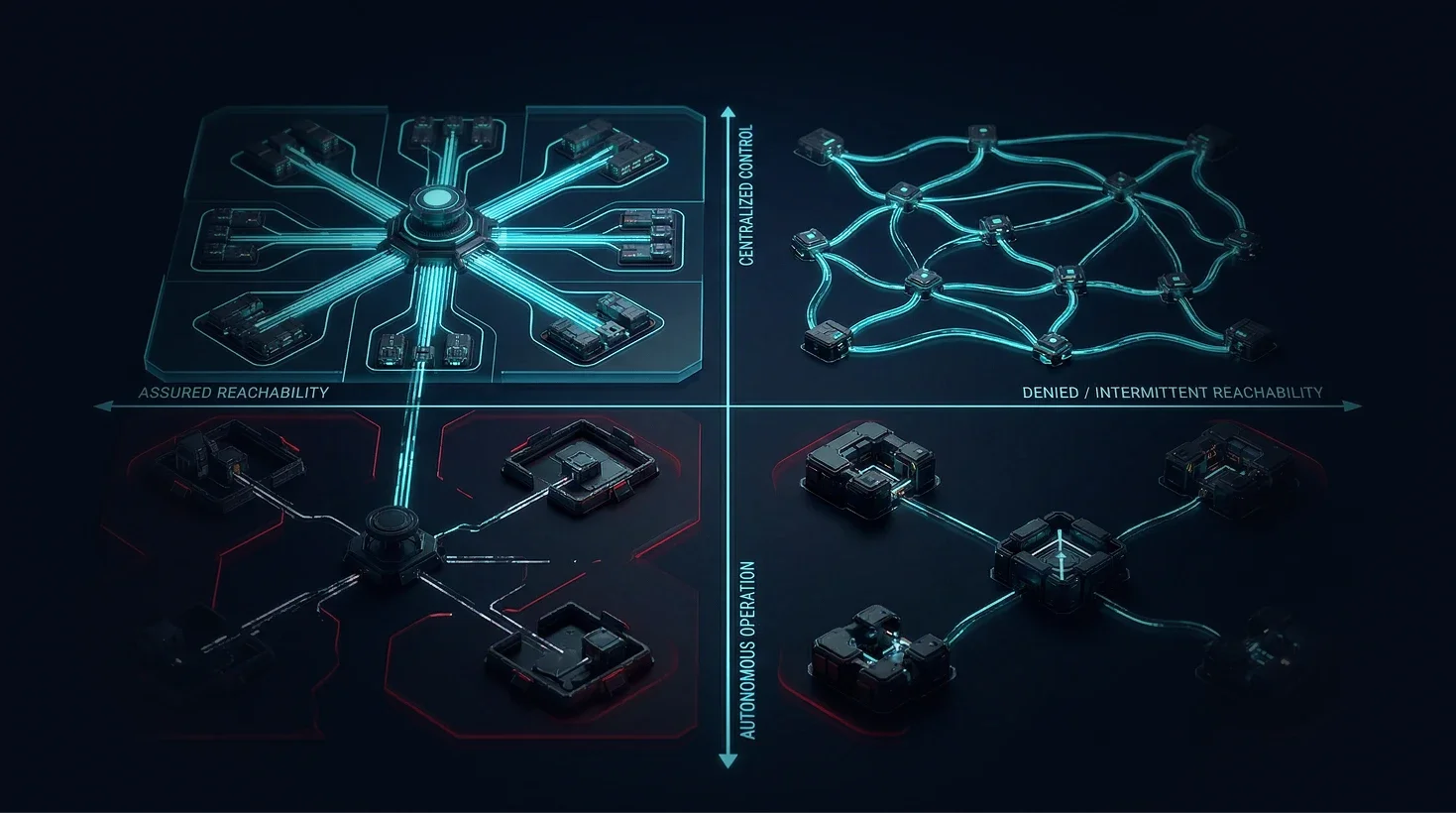
The right connectivity posture depends on two questions
First, can the device reliably reach the core? Second, how much local autonomy does the mission require? When core reachability is assured, centralized orchestration is usually the right model. As operating conditions become more contested, intermittent, or denied, autonomous decision-making becomes more important. EdgeConnect remains the secure transport foundation in both cases.
-
Use SPECTRE Core-Orchestrated when central control is available.
-
Use SPECTRE Device-Autonomous when the mission must continue without guaranteed core access.
How to think about the architecture
[Mission-specific orchestration]EdgeConnect-led
When controlled delivery is the lead requirement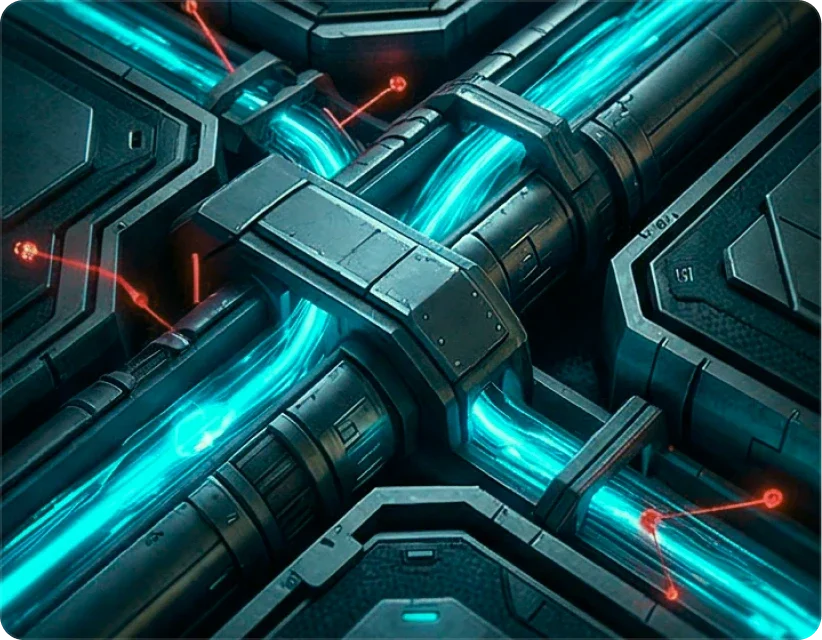
If the primary requirement is secure transport, private handoff, routing assurance, or controlled ingress into mission infrastructure, start with EdgeConnect. This is often the foundation for secure facilities, sovereign breakout requirements, and environments where transport control is non-negotiable.
SPECTRE-led
When adaptive path selection is the lead requirement
If the environment demands dynamic switching across available paths, changing reachability conditions, or local device decisions, start with SPECTRE. This is especially relevant for expeditionary, tactical, and DIL-aligned environments.
Combined architecture
When the mission requires both control and adaptability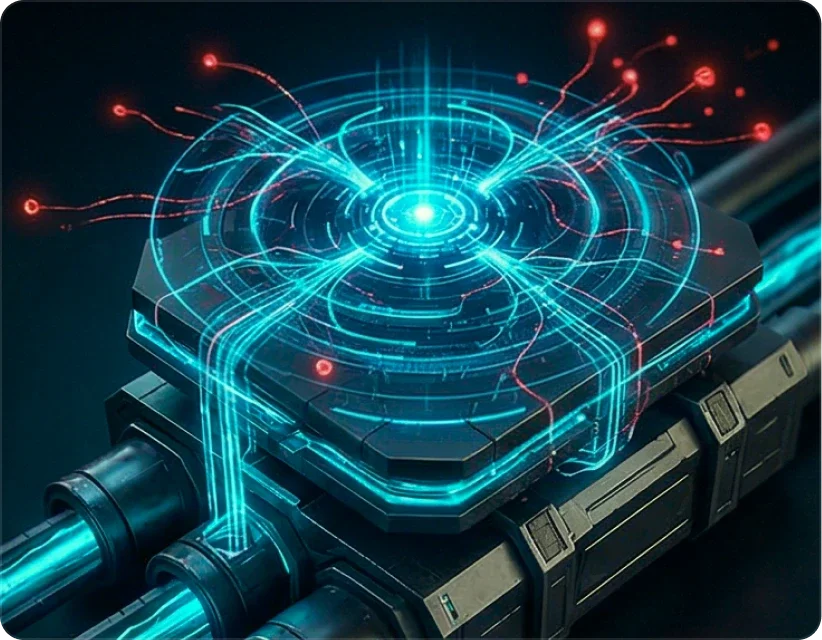
Most Government environments need both. SPECTRE determines how the device should connect. EdgeConnect ensures that every selected path is delivered through controlled infrastructure. Together they provide resilient, mission-ready connectivity from endpoint to destination.
Outcomes that matter across environments
[01]
Maintain control
Keep mission traffic on controlled delivery paths before uncontrollel internet exposure.
[02]
Preserve continuity
Support connectivity across fixed, mobile, expeditionary, and denied operating conditions.
[03]
Reduce operational complexity
Match orchestration and transport to the mission rather than forcing one model everywhere.
[04]
Support coalition-ready architecture
Use segmentation, policy, and controlled interconnect to support connected mission environments.
Go deeper into the architecture
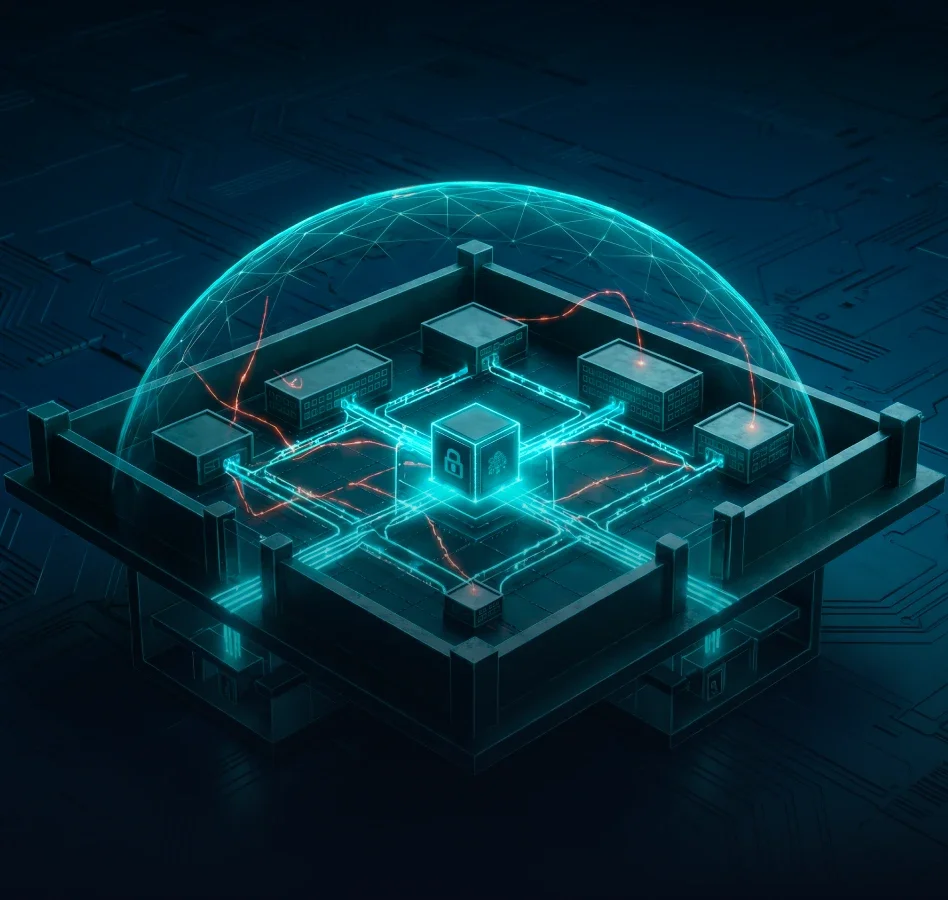
Secure Facilities
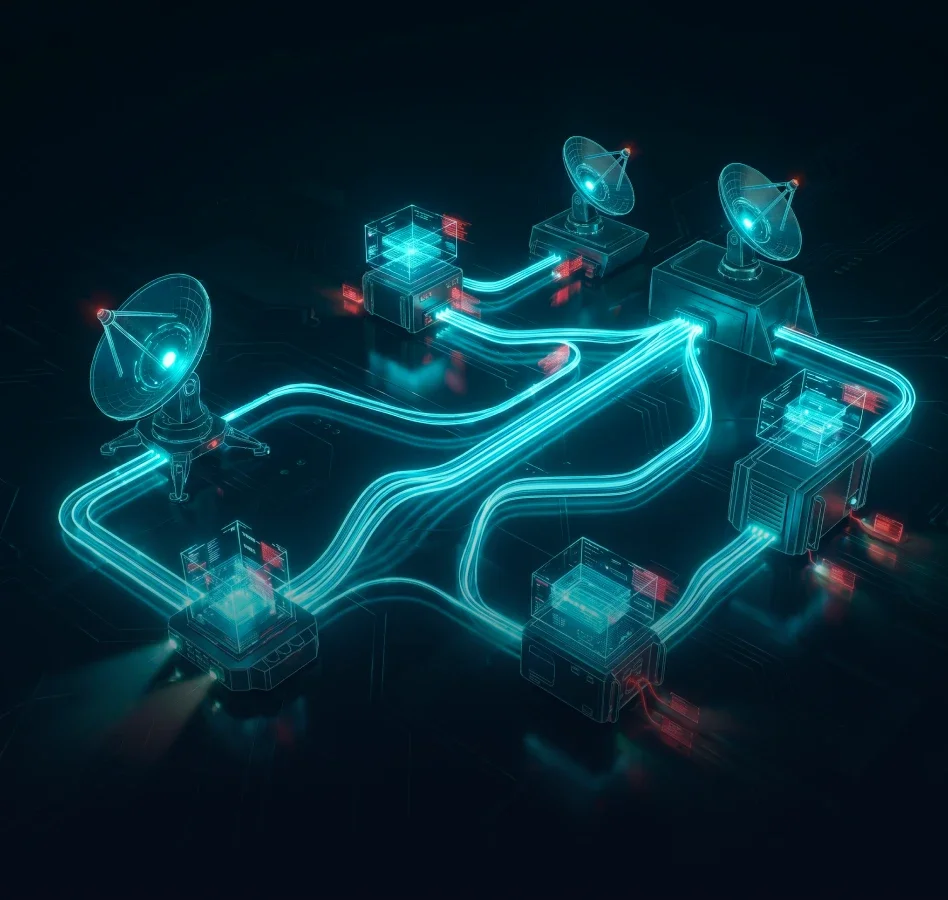
Private Layer 2 transport from carrier network into controlled infrastructure
Forward-Deployed Teams
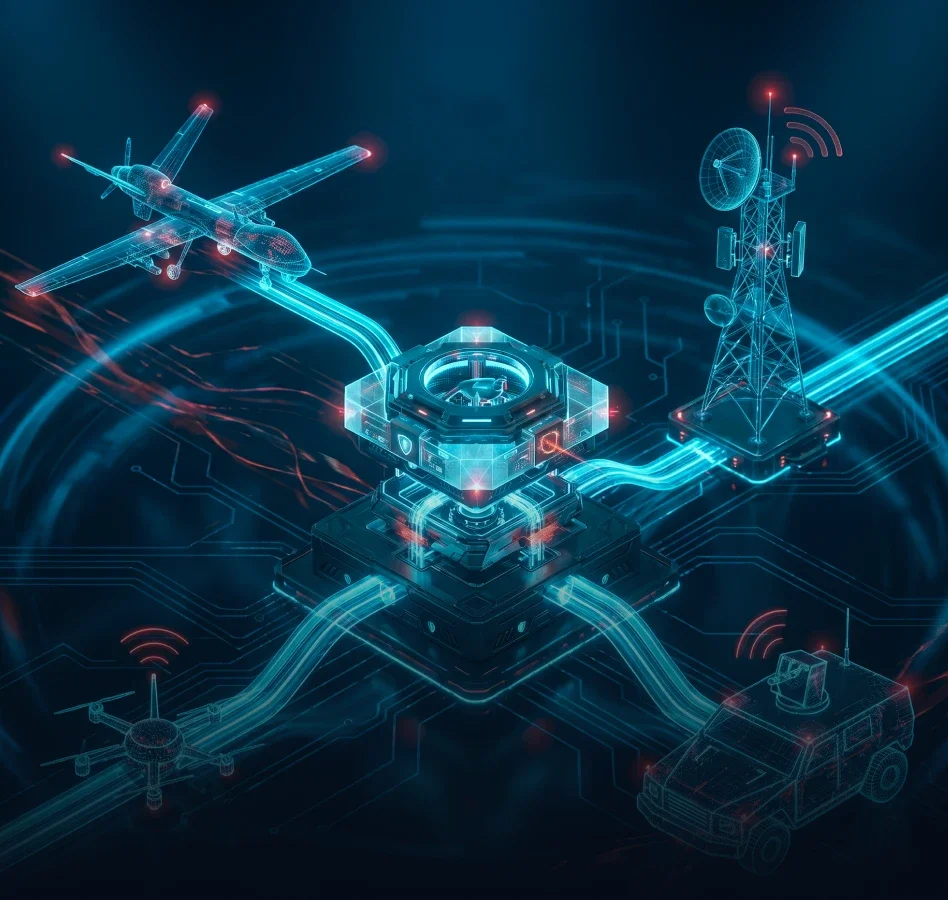
Private IP addressing and isolated customer environments
ISR and Unmanned Systems
VLAN separation and VRF segmentation

Coalition-Connected Systems
Policy-controlled Layer 3 routing
Bring us the mission environment
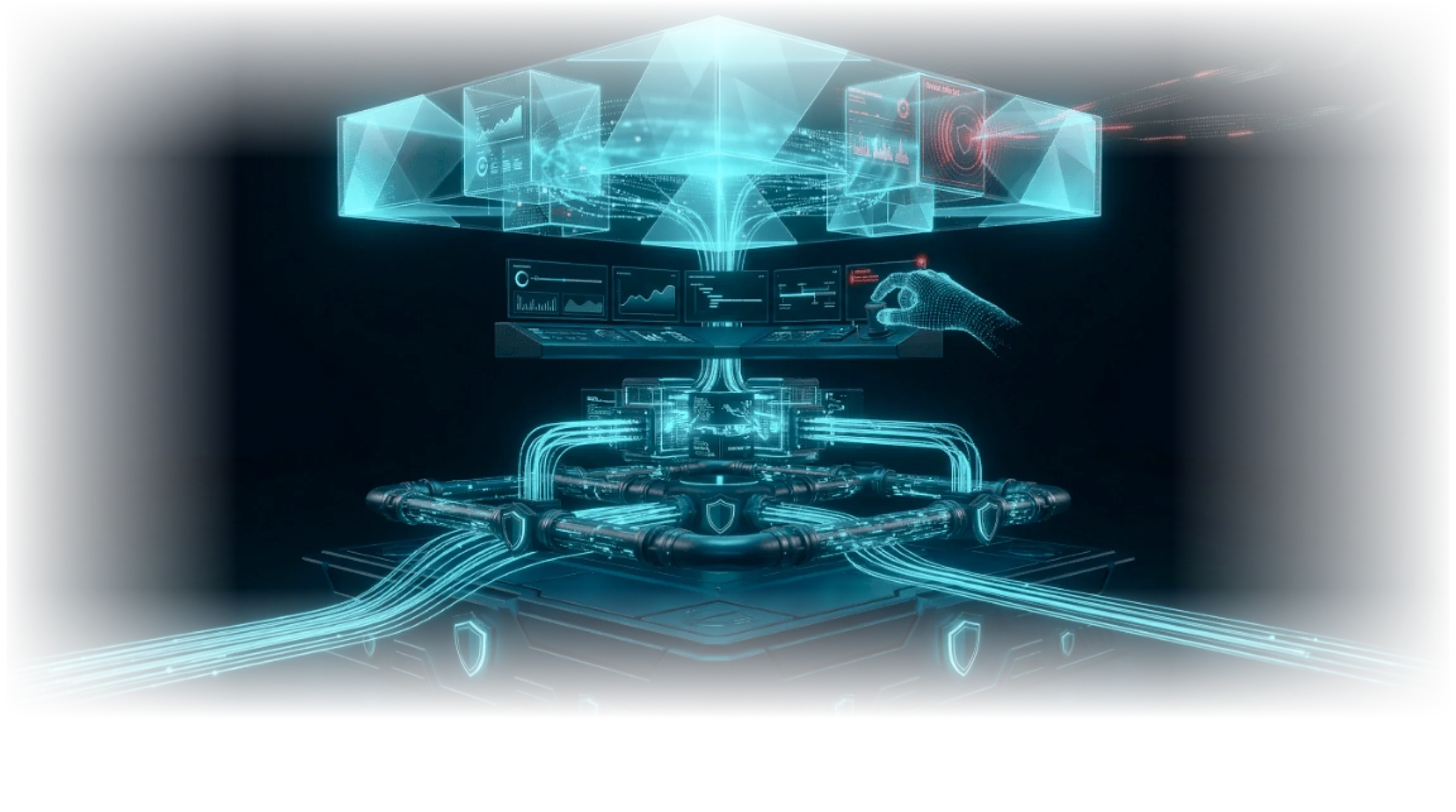
Share the operational conditions, device assumptions, and reachability constraints. IDSECURE will help define the right EdgeConnect and SPECTRE posture for your Government deployment.
Contact us for more Details!
enquiries@idsecure.tech
2255 GLADES ROAD, SUITE 324A,
BOCA RATON, 33431,
FLORIDA, USA