[SPECTRE]
SPECTRE is IDSECURE's intelligent orchestration layer. It determines which connectivity path a device should use, when it should switch, and how to maintain continuity as conditions change. For Government deployments, that means centralized control where reachability exists and autonomous device behavior where it does not. Every selected path is then delivered securely through EdgeConnect.
A static connectivity plan cannot support a dynamic mission
Government operations may move across public cellular, private
wireless, satellite, partner networks, and denied conditions. A single
fixed path is often not enough. SPECTRE is built to manage that
complexity through intelligent path selection and mission-aligned
orchestration.
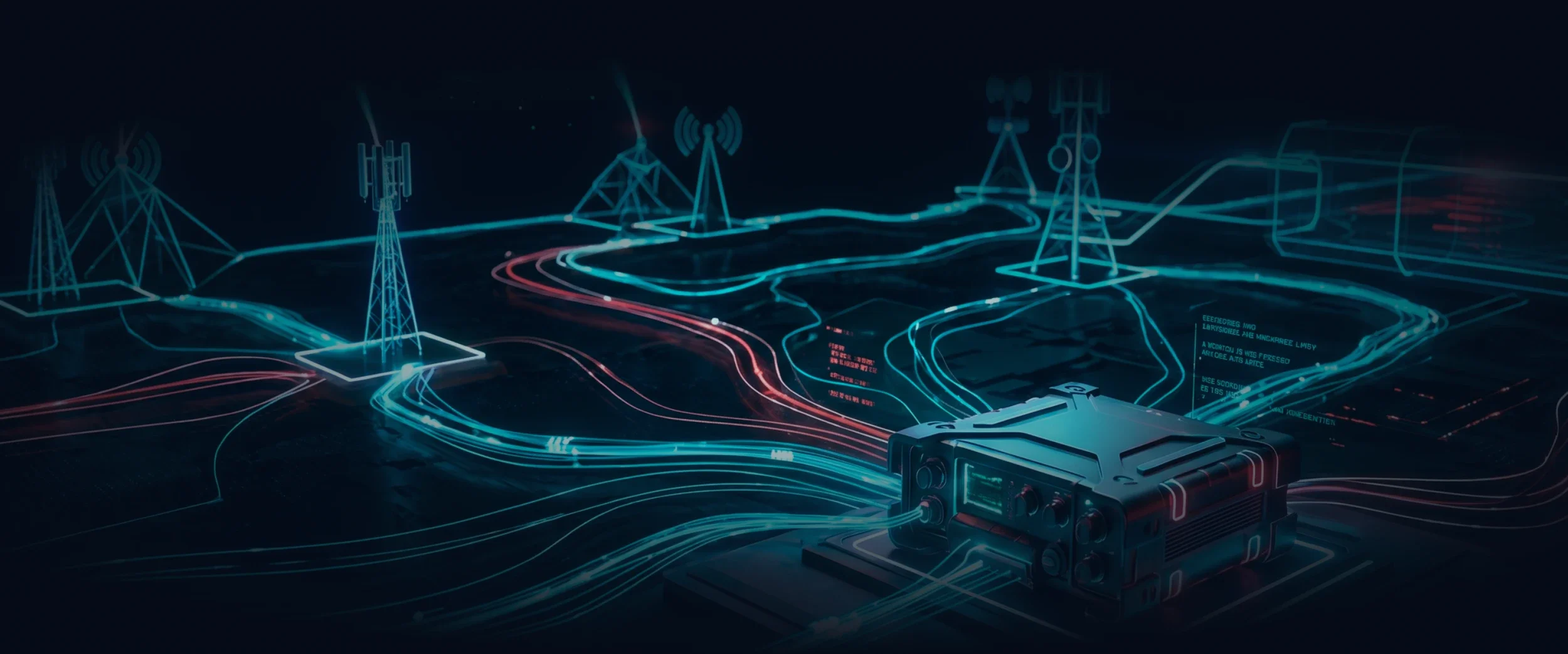
Public cellular
Private wireless
Satellite
Partner networks
Denied conditions
Loss of visibility

[Outcomes-based capabilities]
What intelligent orchestration enables

Adapt as conditions change
Select among available paths based on policy, network state, and mission context.

Keep central control where possible
Use core-side orchestration for most Government deployments.

Maintain resilience in DIL environments
Enable local device decisions when the core cannot be reached.

Match the operating model to the mission
Reduce complexity where autonomy is unnecessary and preserve it where autonomy is essential.
[Two operating models for two operational realities]
Choose the right orchestration posture
Default model
Core-Orchestrated
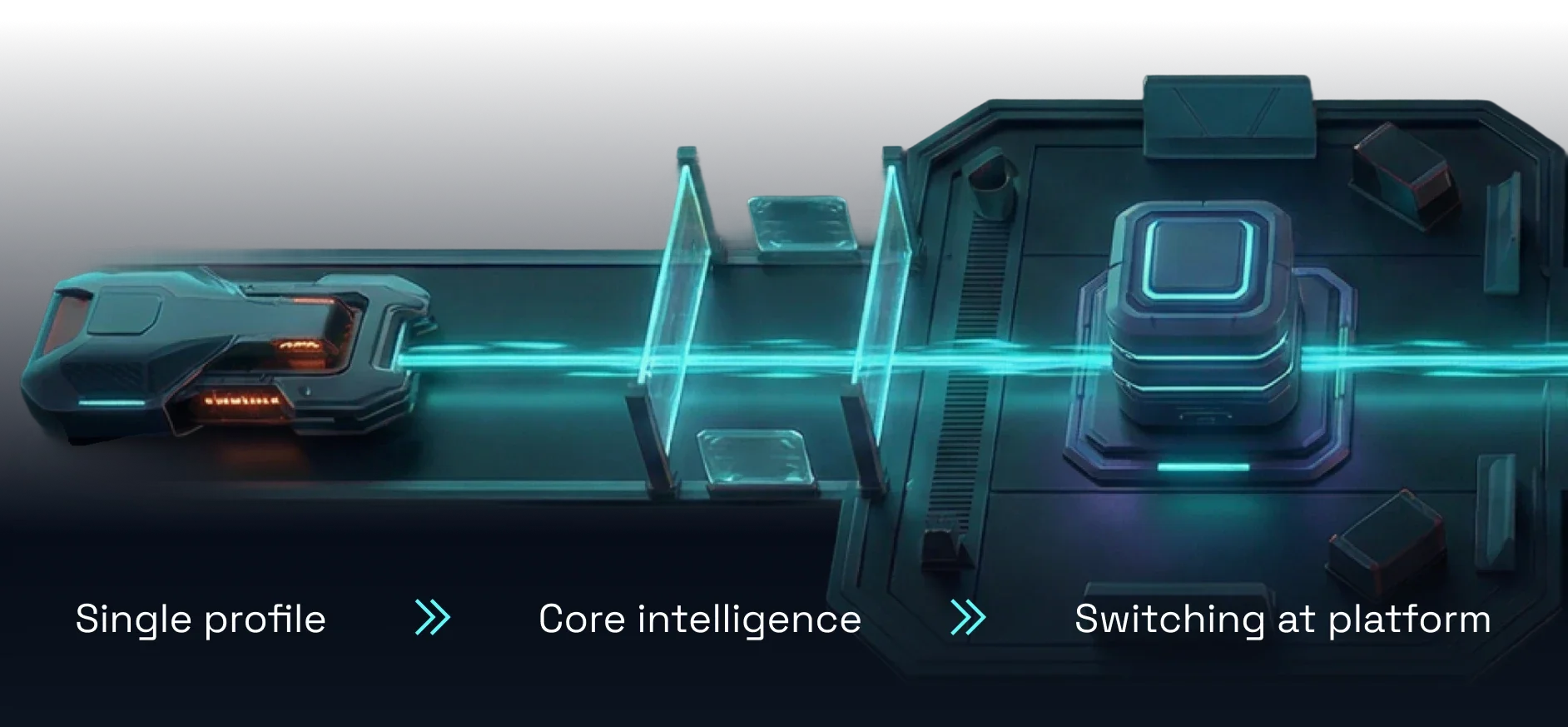
Centralized control with one profile and one identity
In the Core-Orchestrated model, the device carries a single eSIM profile and authenticates to IDSECURE's core. The device sees one identity while switching intelligence remains centralized at the platform level. Policy decisions happen in the signaling layer, allowing fast switching, broad device compatibility, and simplified operations.
Best for
-

Government operations with assured core reachability
-

Standard mobility deployments
-

Low-complexity device environments
-

Centralized policy control at scale
Benefits
-

One profile, one provisioning event
-
Fast switching without on-device profile cycling
-
Broad device compatibility
-
Centralized policy and control
-
Reduced credential exposure on device
Tactical / DIL model
Device-Autonomous
Local decision-making when the core cannot be reached
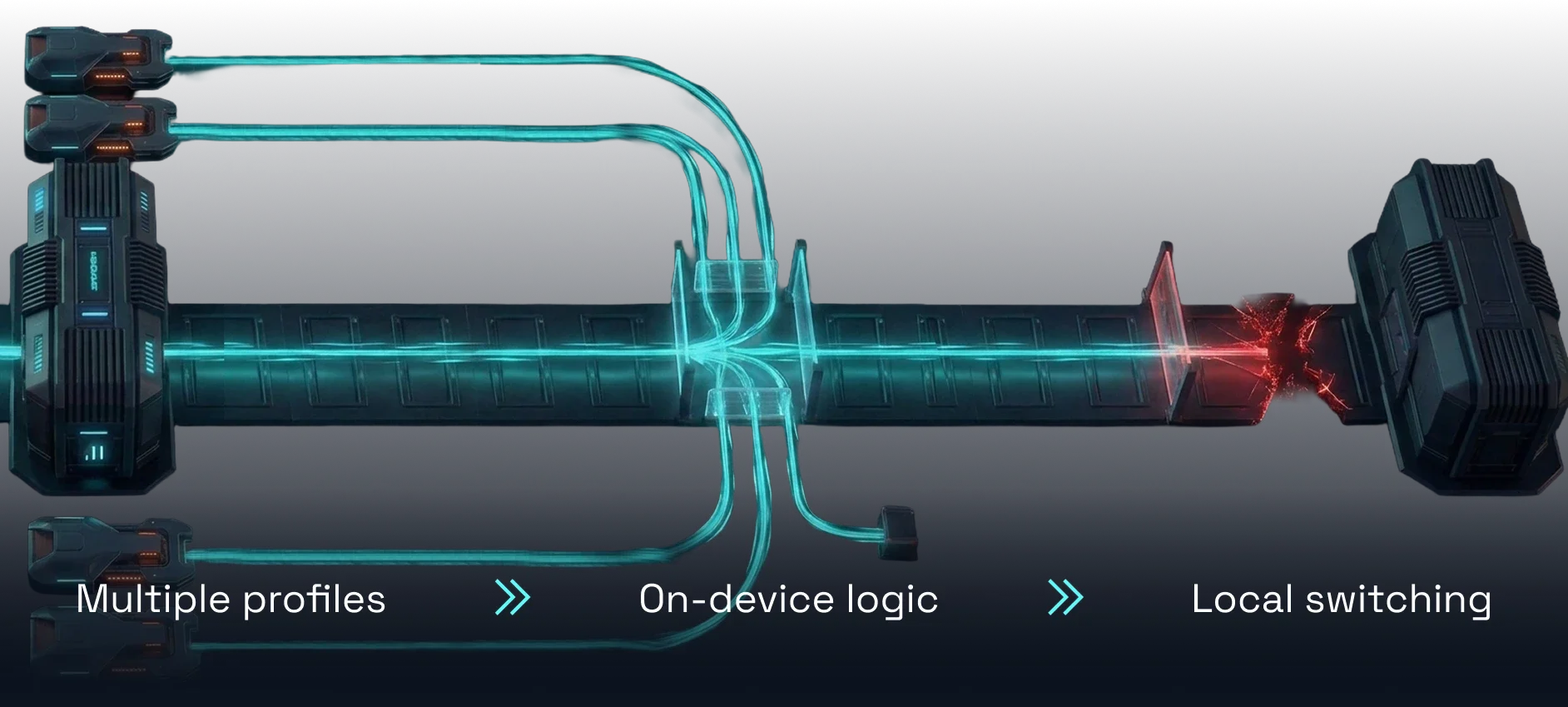
In the Device-Autonomous model, the device carries multiple profiles and uses on-device logic managed through IDSECURE's eIM. This allows the device to make local network selection decisions when the core is unreachable, preserving continuity in contested, intermittent, or expeditionary conditions.
Best for
-

Tactical and denied environments
-

Expeditionary deployments
-

Autonomous fallback requirements
-

Devices that must continue operating without core reachability
Benefits
-
Local switching across multiple paths
-
Policy-driven fallback behavior
-
Support for mission-aligned autonomous decisions
-
Greater resilience in contested environments
[How SPECTRE fits]
Policy logic between the device and the secure path
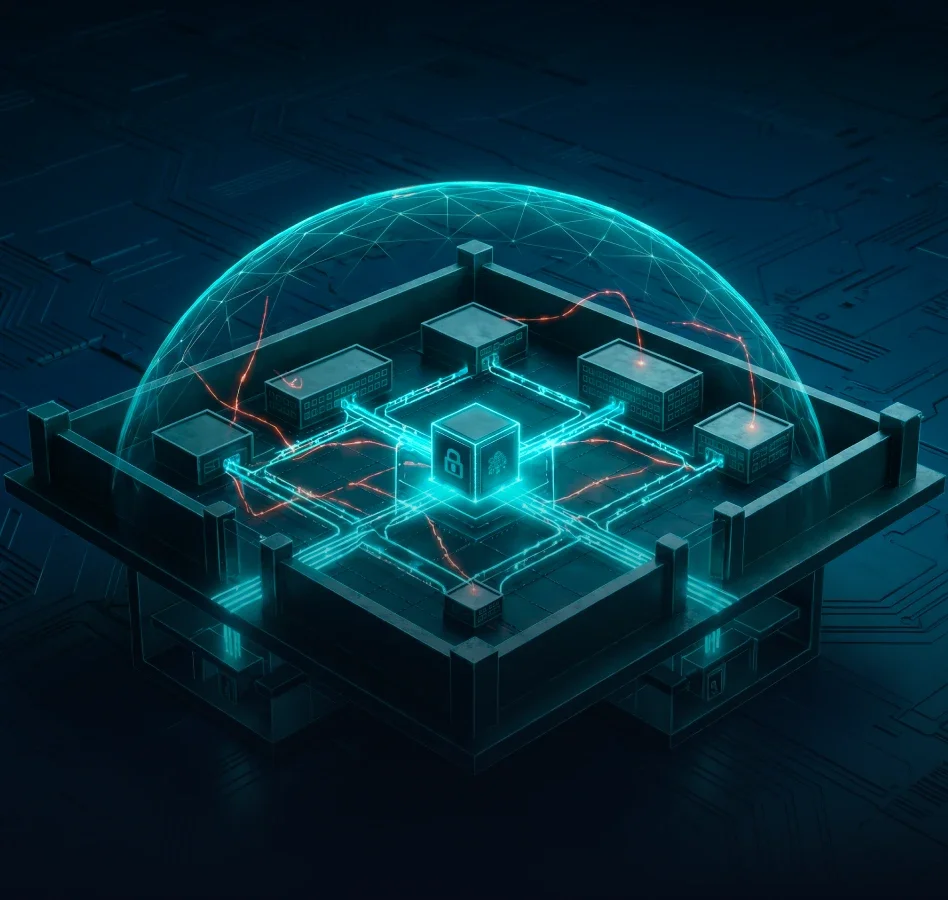
SPECTRE governs path selection, switching logic, and profile behavior. It uses policy inputs such as availability, signal, location, mission rules, and operating conditions to determine the best path for the device. EdgeConnect then delivers that selected path through controlled infrastructure.

[Technical capabilities]
Orchestration across the networks missions actually use

Dynamic orchestration across public cellular, private 5G, CBRS, satellite, and partner networks

Device-autonomous multi-profile model

Policy-driven switching based on availability, location, mission rules, and threat posture

Advanced profile management aligned to SGP.22 and SGP.32 frameworks

Core-orchestrated single-profile model

OTA rule and profile updates through eIM

CMP integration for lifecycle and subscriber control
[Designed for Government operating conditions]
Where SPECTRE fits
Secure Facilities
Private Layer 2 transport from carrier network into controlled infrastructure

Forward-Deployed Teams
Private IP addressing and isolated customer environments

ISR and Unmanned Systems
VLAN separation and VRF segmentation

Coalition-Connected Systems
Policy-controlled Layer 3 routing
SPECTRE chooses the path.
EdgeConnect secures the path.

EdgeConnect is the secure transport foundation. SPECTRE adds intelligent path selection across available networks. Together they create controlled, resilient connectivity for demanding government environments.
Contact us for more Details!
enquiries@idsecure.tech
2255 GLADES ROAD, SUITE 324A,
BOCA RATON, 33431,
FLORIDA, USA