[PLATFORM & OPERATIONS]
EdgeConnect and SPECTRE are the visible mission capabilities. Behind them is an integrated platform for subscriber control, eSIM lifecycle, orchestration policy, automation, monitoring, and service assurance. IDSECURE gives Government teams one operating model from device through mission delivery.

One platform,
One operating model
Government teams do not need disconnected tools for transport, orchestration, subscriber control, and operations. IDSECURE brings those capabilities together as one platform so that policy, lifecycle, and support align to the same mission architecture. That reduces operational friction and creates a single accountable operating model behind EdgeConnect and SPECTRE.
Five coordinated layers
The platform behind EdgeConnect and SPECTRE
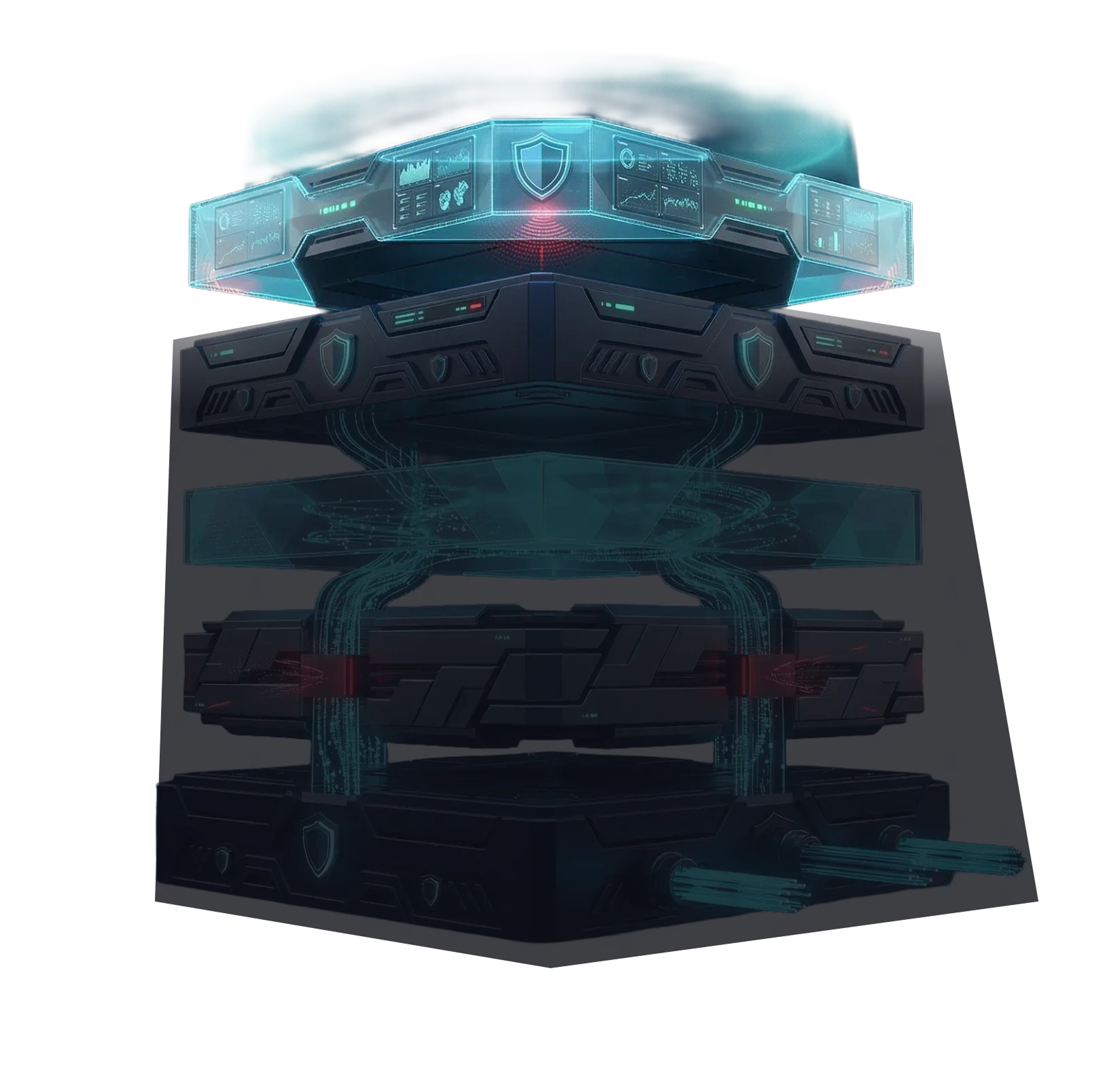
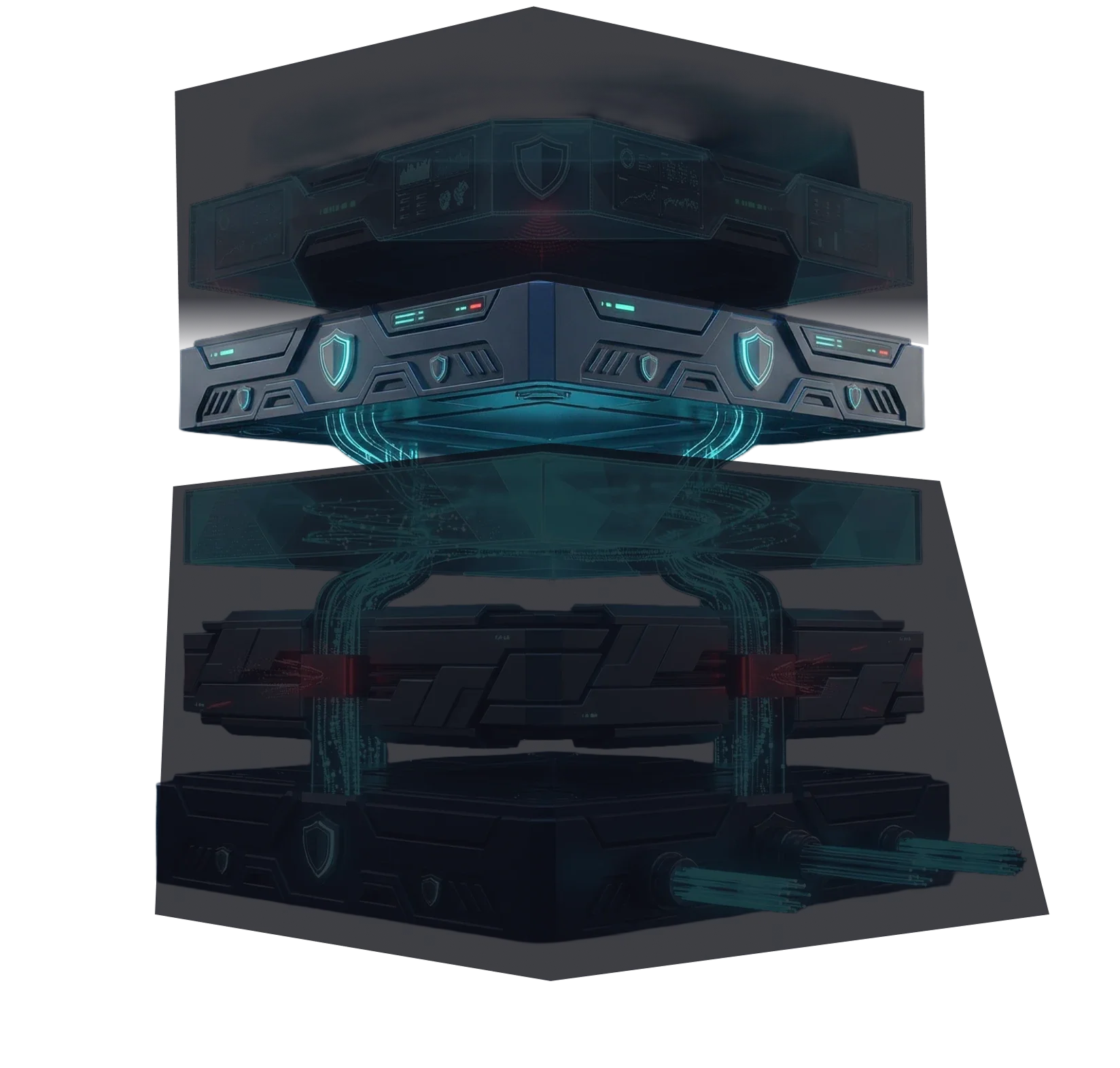
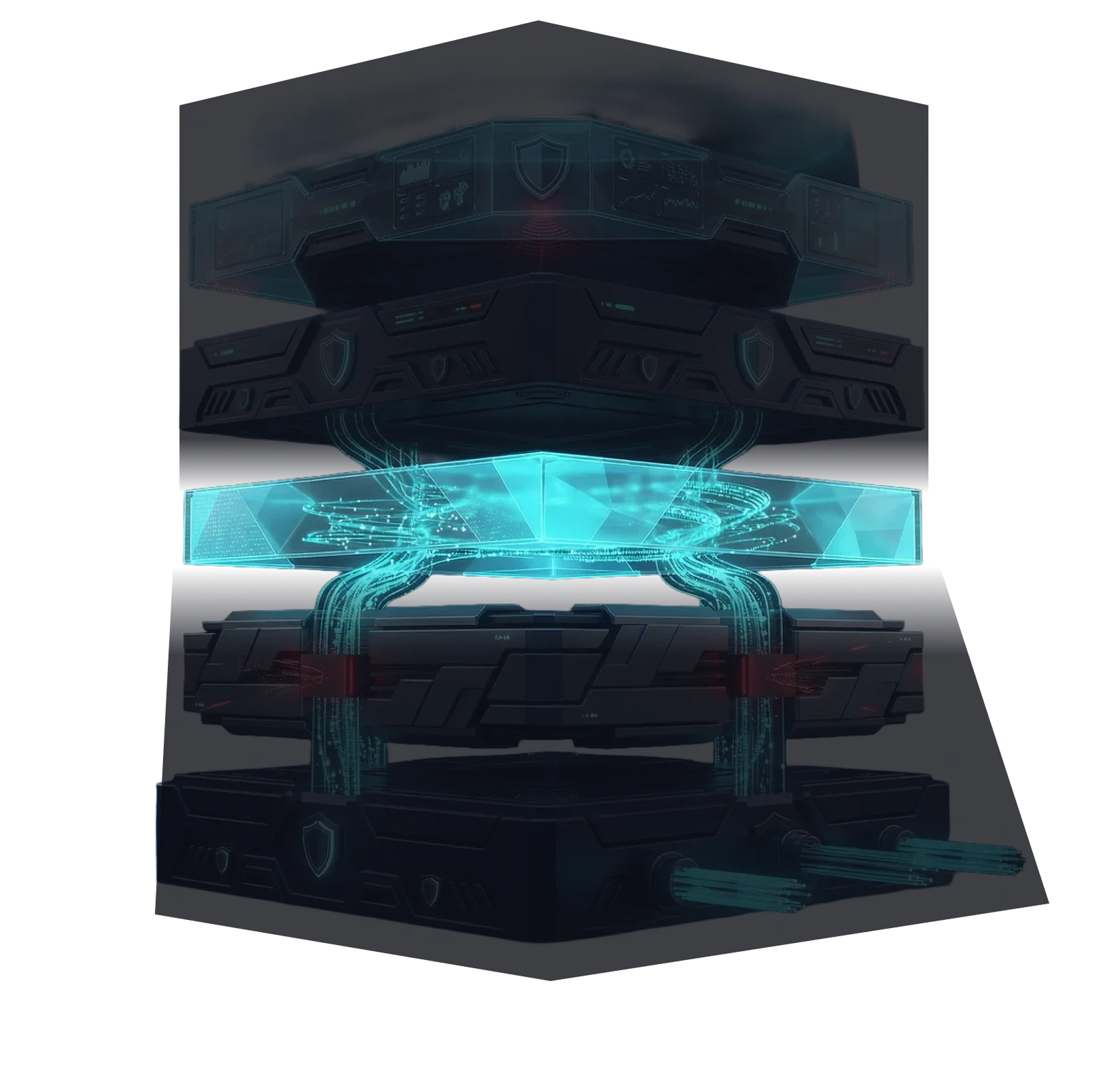
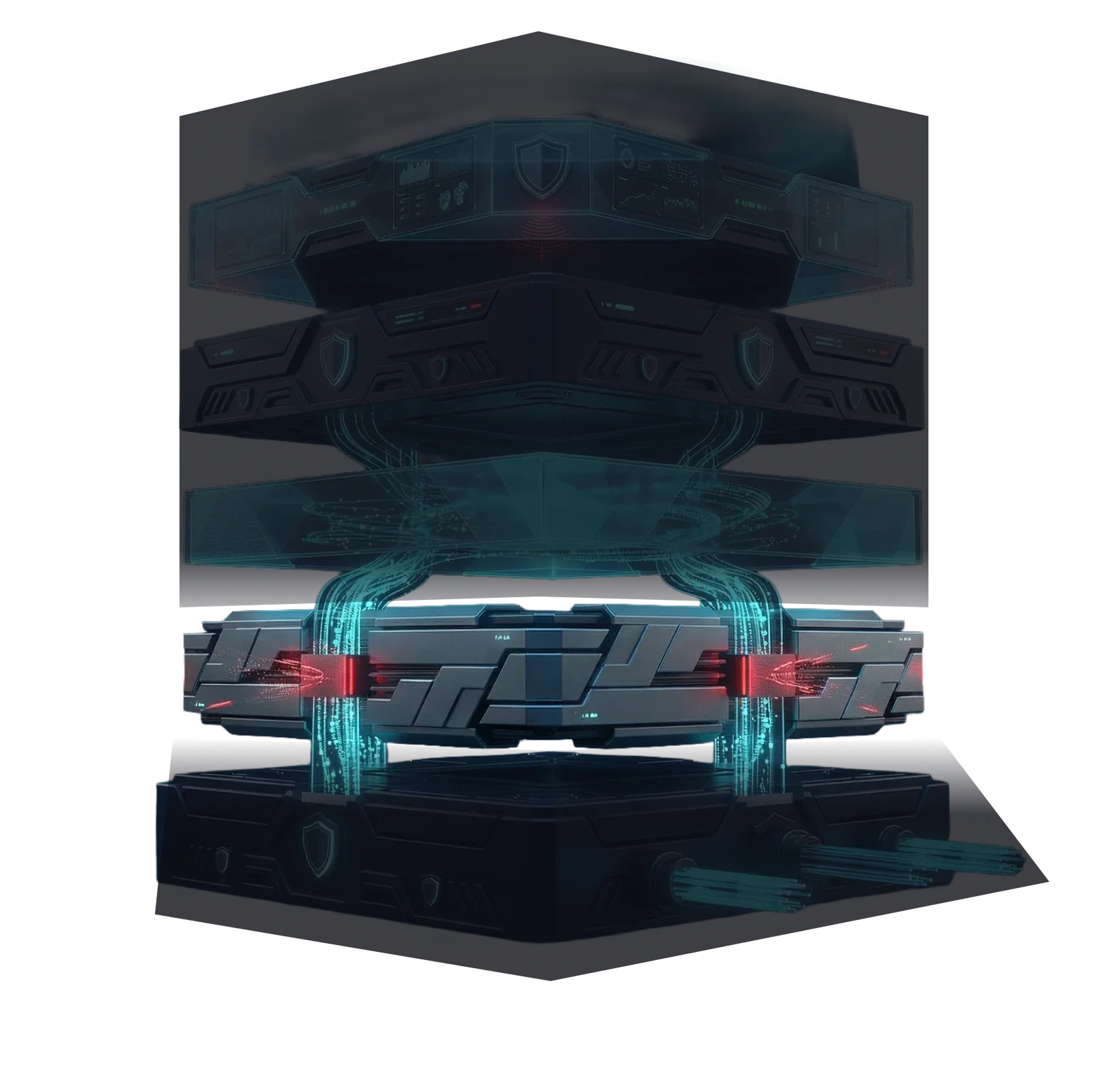
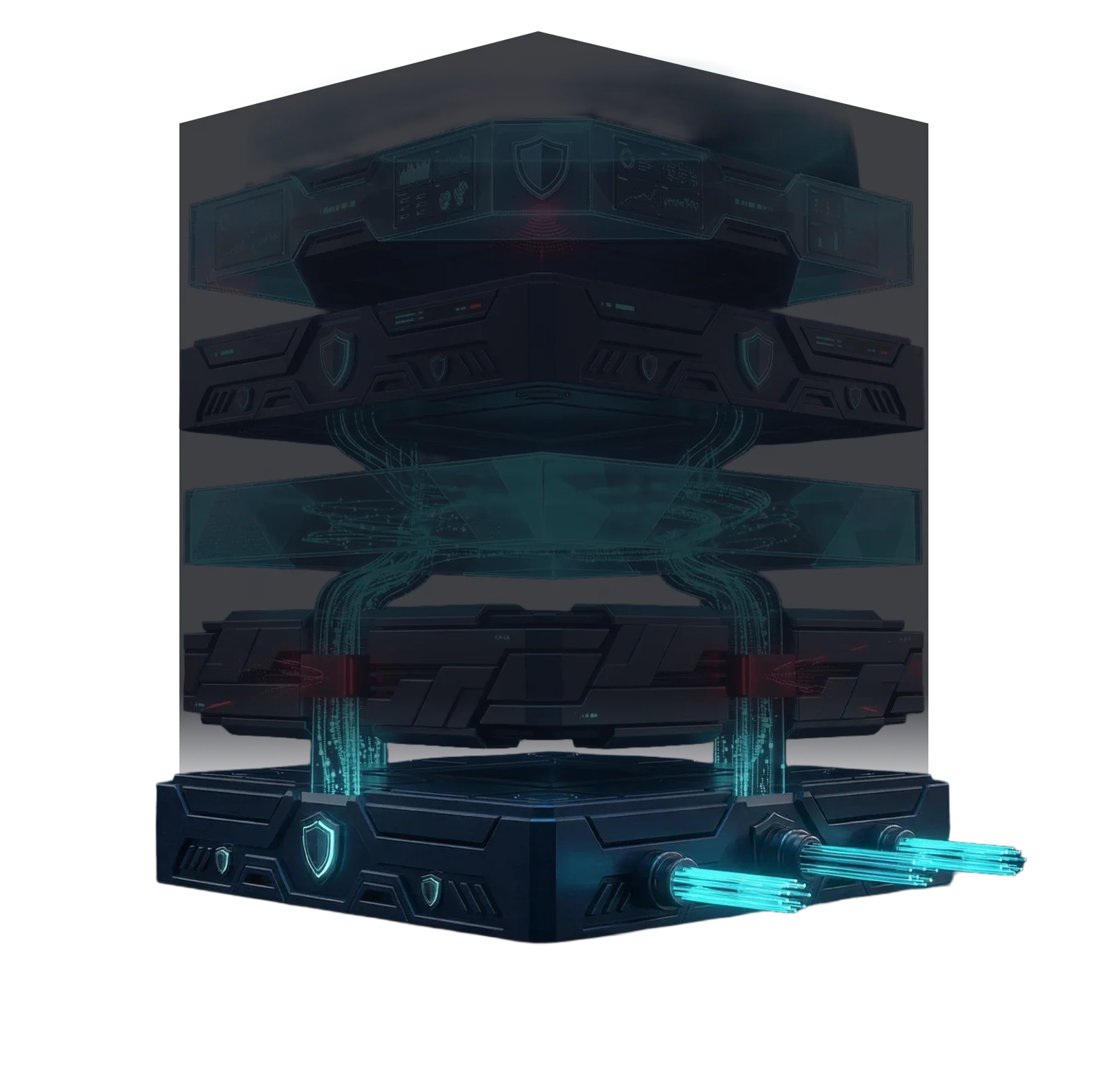
Mobile Core
The cloud-native mobile core provides control-plane and user-plane functions, policy, charging, signaling, and distributed edge capabilities as the foundation of the platform.
EdgeConnect
EdgeConnect provides secure transport, controlled handoff, local breakout options, and private network fabric for Government-grade traffic delivery.
SPECTRE
SPECTRE provides intelligent path selection, operating mode control, and orchestration policy across available network paths.
CMP / eIM
The Connectivity Management Platform and eIM provide lifecycle visibility, policy management, OTA updates, orchestration control, and unified subscriber management.
Operations & Assurance
Monitoring, diagnostics, telemetry, support, and managed service operations complete the Government operating model behind the platform.
Control the subscriber, the profile, and the policy
Government connectivity requires more than packet delivery. It requires lifecycle visibility, identity control, orchestration policy, and the ability to manage profiles and rules over time. IDSECURE supports that through integrated SIM and eSIM lifecycle management, CMP-driven control, and eIM-based OTA management across both SPECTRE tiers.

SIM and eSIM lifecycle management
Subscriber provisioning and control
Profile policy configuration

OTA update distribution

Unified CMP and eIM operations
Built for automation and integration
The platform is API-first by design. Control and configuration can be exposed through APIs and webhooks, supporting provisioning, service configuration, policy-driven routing, telemetry export, and integration with external operational systems. For Government teams, that means the platform can fit into broader operational and security workflows rather than becoming another silo.
-

API-first control model
-
Operational system compatibility
-
Webhooks and event integration
-
Telemetry export for external tools
[Operational visibility]
The visibility required for mission support
Monitoring
Continuous operational monitoring across sessions, traffic, and events.
Diagnostics
End-to-end troubleshooting support across distributed network elements.

Security visibility
Traffic visibility, access control awareness, and event-driven monitoring.
Service assurance
Managed support and operational accountability across the deployment lifecycle.
[Security]
Architecture-based control, not bolt-on assurance
Security is embedded in the way the platform is structured. Segmentation, routing policy, traffic visibility, and controlled access operate as part of the architecture itself. For Government deployments, that supports auditable, controlled operations rather than relying on unsecured paths with compensating controls layered on afterward.
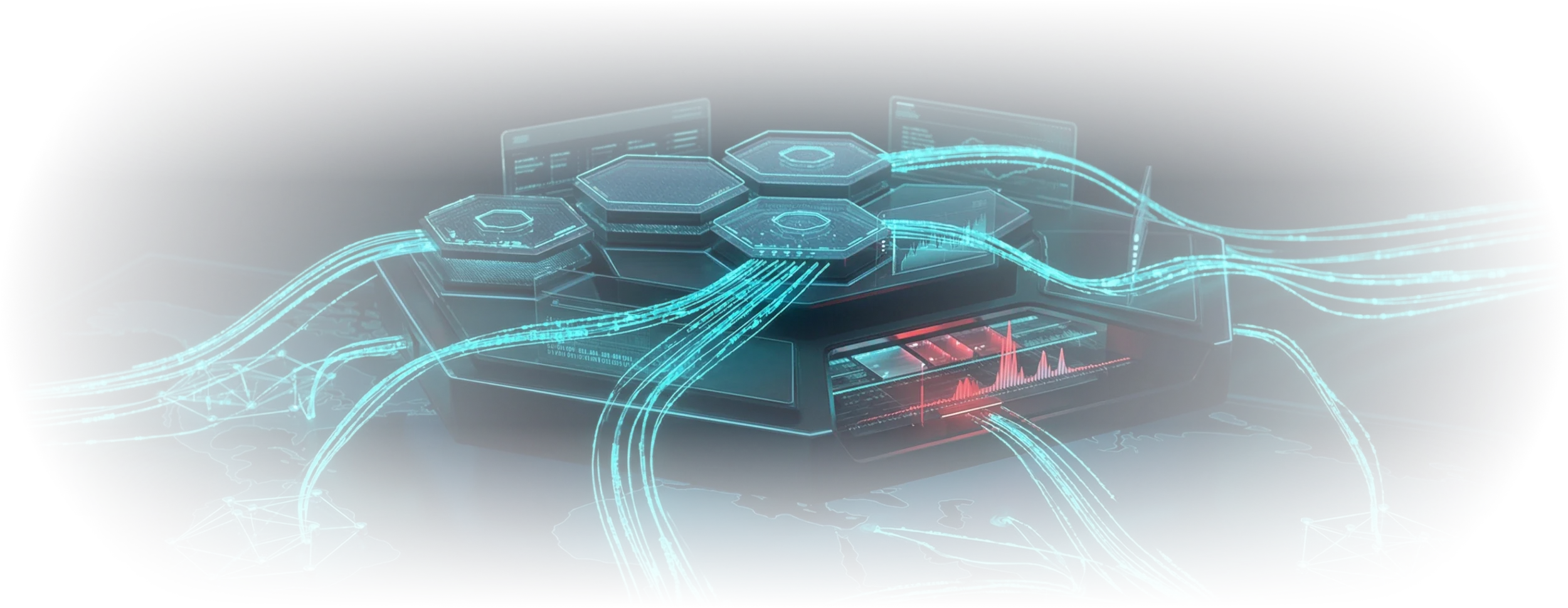
A managed model built
for accountability
IDSECURE supports centralized operations, monitoring, diagnostics, and
escalation handling as part of the broader service model. The result
is a Government operating experience built around visibility, support,
and accountability rather than disconnected vendors or fragmented
responsibilities.
 Centralized operational model
Monitoring
and incident support
Service
assurance and escalation handling
Centralized operational model
Monitoring
and incident support
Service
assurance and escalation handling



Contact us for more Details!
enquiries@idsecure.tech
2255 GLADES ROAD, SUITE 324A,
BOCA RATON, 33431,
FLORIDA, USA